
The psychological effects of gambling understanding the mind’s playfulness
The allure of gambling
The psychological allure of gambling often begins with the thrill of uncertainty. The anticipation of winning can create a potent mix of excitement and hope, engaging the brain’s reward pathways. This sense of playfulness stimulates dopamine release, which is associated with pleasure and reinforcement. As individuals partake in gambling activities, they often experience a heightened emotional state that reinforces the behavior, making it feel rewarding and compelling. In addition, many gamblers explore various options, such as australian casino online, to enhance their gaming experience.
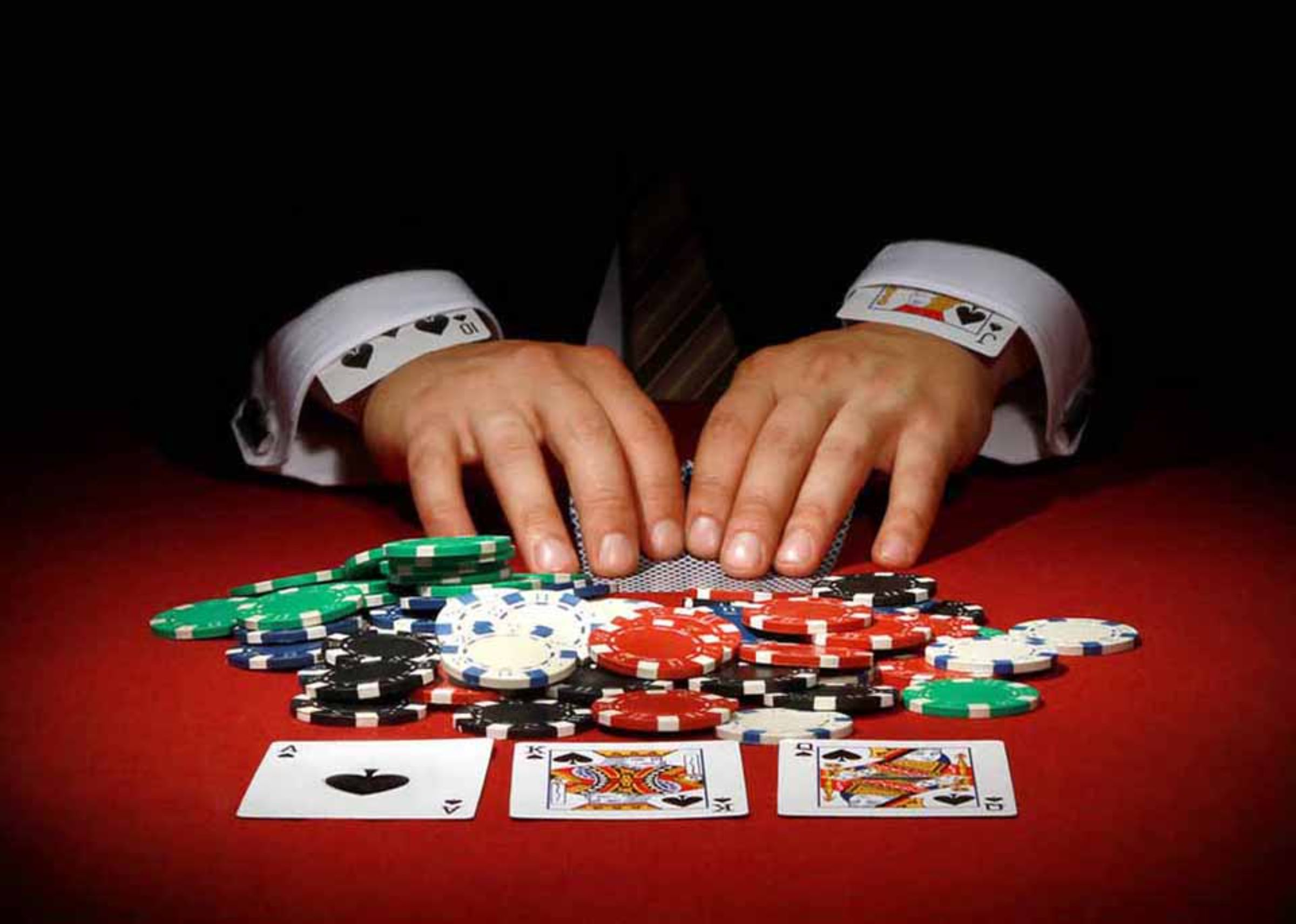
Moreover, the environment of casinos, with their bright lights and energetic atmosphere, enhances this psychological effect. Gamblers may find themselves drawn not only by the potential for financial gain but also by the social interaction and entertainment aspects. This combination can create a euphoric state that reinforces continued engagement in gambling activities.
Cognitive biases in gambling
Gamblers are often influenced by cognitive biases that affect their decision-making processes. One such bias is the illusion of control, where individuals believe they can influence outcomes that are primarily based on chance. This belief can lead to increased gambling behavior, as players convince themselves that they have a strategy or skill that can enhance their likelihood of winning.
Another prevalent bias is the gambler’s fallacy, which is the mistaken belief that past events can influence future outcomes. For example, a gambler may think that a particular slot machine is “due” for a win after a series of losses. These cognitive distortions can perpetuate gambling behavior, as individuals continue to play, hopeful that their understanding of luck will eventually lead to success.
Emotional impacts of gambling
Gambling can have significant emotional effects, both positive and negative. The euphoric highs associated with winning can lead to an enhanced sense of self-esteem and temporary happiness. However, the flipside is that losses can result in feelings of frustration, despair, and even shame. These emotional swings can lead to a cycle of increased gambling as individuals seek to chase their losses or recreate the initial thrill.
Additionally, the social context surrounding gambling can further amplify these emotional effects. Gamblers often share their experiences with peers, which can create a communal sense of excitement and competition. However, it can also lead to feelings of isolation or guilt, especially if gambling begins to interfere with personal relationships or financial stability.
The role of addiction
Addiction to gambling is a serious psychological issue that can have devastating effects on individuals and their families. The same mechanisms that create initial pleasure can lead to compulsive behavior over time. As gambling habits escalate, individuals may find themselves prioritizing gambling over essential aspects of life, such as work, relationships, and health.
Recognizing gambling addiction is crucial for addressing its psychological effects. Many individuals may be unaware of the extent of their problem until it leads to significant life disruptions. Treatment often involves therapy, support groups, and behavioral interventions aimed at restoring balance and understanding the underlying motivations for gambling behaviors.

Understanding gambling through analysis
Exploring the psychological effects of gambling requires a nuanced understanding of human behavior and motivation. Insights into cognitive biases, emotional impacts, and the potential for addiction offer a comprehensive view of how gambling can affect the mind. With this knowledge, individuals can make informed choices and recognize the importance of responsible gambling.
Resources like Author Earnings provide valuable insights into the financial aspects of gambling and can empower individuals to seek help and information. Understanding the psychological dynamics at play can not only aid in responsible gambling practices but also foster healthier relationships with risk and reward.